Understanding the AI Data Center Landscape
The world of artificial intelligence (AI) is rapidly evolving, and at the heart of this revolution lies the AI data center, a facility specifically designed to handle the unique demands of AI applications and services. As organizations increasingly depend on AI technologies to drive innovation and operational efficiency, understanding the architecture and functionality of these specialized data centers is more crucial than ever. When exploring options, AI data center facilities provide comprehensive insights into powering the future of intelligent systems.
What is an AI Data Center?
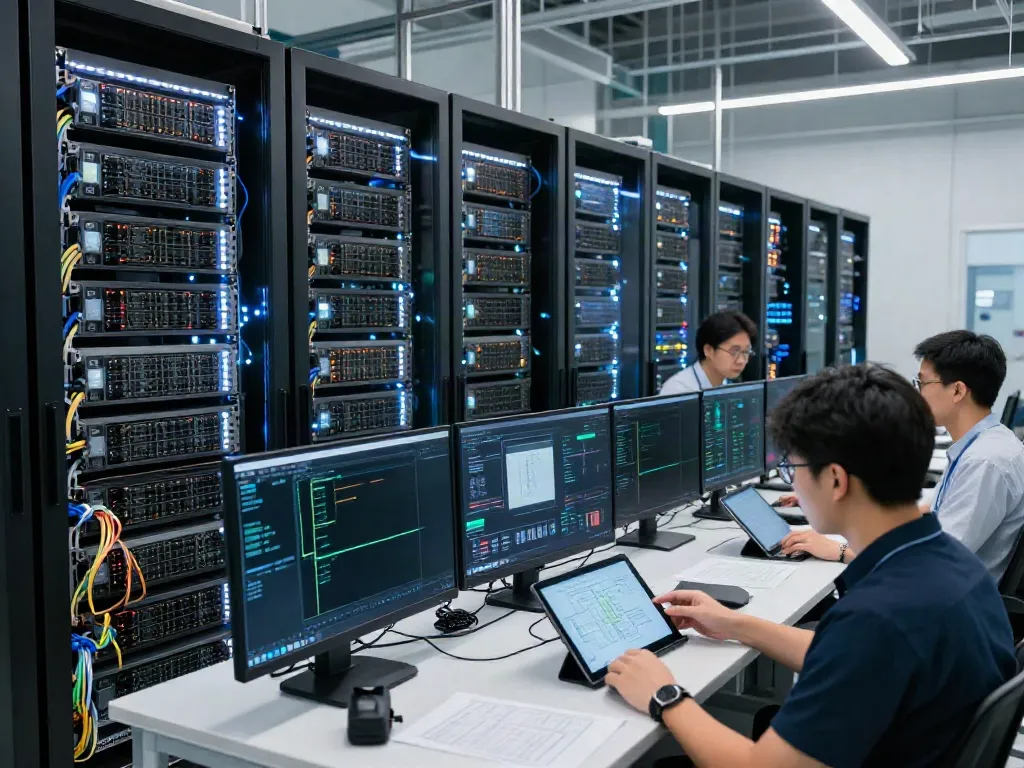
An AI data center, distinct from traditional data centers, focuses on providing the computational resources necessary for AI model training, deployment, and execution. These facilities are equipped with specialized hardware and software architectures to support high-density computing environments, particularly through the use of Graphics Processing Units (GPUs) tailored for parallel processing tasks. AI data centers are indispensable for organizations that aim to leverage machine learning, deep learning, and advanced analytics to gain a competitive edge.
Characteristics of Modern AI Data Centers
- High-Performance Hardware: Modern AI data centers are equipped with cutting-edge hardware, including GPUs and Tensor Processing Units (TPUs), to efficiently handle complex computations and large data sets.
- Scalable Infrastructure: The capacity of AI data centers can quickly adapt to changing workloads, allowing organizations to scale their computational power as needed.
- Energy Efficiency: Given the intensive power consumption of AI models, these data centers are designed with energy-efficient systems to minimize costs and reduce environmental impact.
The Role of GPUs in AI Infrastructure
Graphics Processing Units (GPUs) are central to the operation of AI data centers, enabling them to perform massive parallel computations required for AI-driven tasks. Unlike traditional CPUs that are optimized for sequential processing, GPUs are designed for handling numerous operations simultaneously, making them ideal for training neural networks and executing complex algorithms. As AI applications become more prevalent, the dependence on GPU technology in data centers will continue to grow.
Challenges Facing AI Data Centers Today
While the rapid advancements in AI technology present opportunities, they also introduce significant challenges for data centers. Understanding these challenges is essential for organizations that aim to leverage AI effectively.
Power Management Issues in AI Operations
AI workloads are notoriously power-hungry, and managing electricity consumption is a critical concern for data centers. The demand for energy can lead to high operational costs, necessitating innovative power management strategies to optimize usage without compromising performance.
Data Security and Compliance Risks
As AI data centers process vast amounts of sensitive data, they face increasing scrutiny regarding data security and regulatory compliance. Ensuring robust security measures are in place is paramount to protect against potential breaches and maintain compliance with laws such as GDPR or HIPAA.
Scalability and Future-Proofing Concerns
The evolving nature of AI technologies means that data centers must be designed with scalability in mind. Future-proofing infrastructure against rapid changes in AI models or data processing needs is essential for long-term sustainability and competitiveness.
Implementing Best Practices for AI Data Center Management
To navigate the challenges posed by AI data centers, organizations can implement best practices to ensure efficient operations and robust security.
Effective Power Allocation Strategies
Implementing effective power allocation strategies can significantly impact the operational efficiency of an AI data center. Techniques such as dynamic resource scheduling and load balancing help ensure that power is utilized efficiently across various workloads, reducing costs and minimizing waste.
Data Protection and Security Measures
Comprehensive data protection protocols are essential for safeguarding sensitive information within AI data centers. This includes employing encryption, access controls, and regular security audits to mitigate risks associated with data breaches and ensure compliance with relevant regulations.
Scalability Techniques for Growth
Techniques such as modular design and containerization can facilitate the scalability of AI data centers. By enabling the rapid deployment of additional resources as needed, organizations can respond swiftly to changing demands and ensure optimal performance.
Real-World Applications of AI Data Centers
AI data centers are not just theoretical constructs; they are actively supporting a broad range of real-world applications across various industries.
Case Studies of Successful AI Data Centers
Several organizations have successfully implemented AI data centers to enhance their operations. For instance, tech giants like Google and Amazon have developed large-scale AI data centers that support their cloud computing services, offering advanced AI capabilities to businesses of all sizes.
Impact of AI on Business Operations
The integration of AI into business operations has led to improved efficiency, enhanced decision-making, and increased revenue potential. AI data centers facilitate this by providing the necessary computational power to process large datasets and execute machine learning algorithms in real time.
Industry-Specific Use Cases of AI Technology
- Healthcare: AI data centers are utilized for predictive analytics, drug discovery, and personalized medicine applications.
- Finance: Businesses leverage AI for real-time fraud detection, risk management, and algorithmic trading.
- Retail: AI enables personalized shopping experiences, inventory management, and customer insights.
Future Trends in AI Data Centers for 2026 and Beyond
The future of AI data centers is shaped by emerging technologies and evolving best practices.
Emerging Technologies Shaping AI Data Centers
Advancements in quantum computing, edge computing, and AI-driven infrastructure management are poised to revolutionize AI data centers, enabling unprecedented levels of performance and efficiency.
Sustainability Practices in Data Center Management
As environmental considerations become increasingly important, sustainable practices in data center management, such as renewable energy sourcing and energy-efficient cooling solutions, will gain prominence.
Predictions for AI Infrastructure Development
The demand for AI capabilities will continue to surge, prompting significant investments in AI infrastructure development, including next-generation data centers designed to meet unprecedented computational demands.
What Are the Key Components of an AI Data Center?
Key components of an AI data center include high-performance computing servers, advanced cooling systems, energy management tools, and robust networking capabilities, all designed to support the intensive demands of AI workloads effectively.
How Can I Optimize Power Usage in AI Data Centers?
Optimizing power usage in AI data centers involves implementing smart power management solutions that monitor consumption, identify inefficiencies, and facilitate dynamic load balancing.
What Innovations Are Expected in AI Data Center Technology?
Future innovations in AI data centers may include the integration of AI for predictive maintenance, advanced cooling technologies like liquid cooling, and automated resource management systems that respond to real-time workload demands.
What Security Measures Should Be Implemented for AI Data Centers?
Implementing multi-layered security measures, including physical security, network security, and cybersecurity protocols, is crucial for protecting data integrity and maintaining compliance within AI data centers.
How Do AI Data Centers Differ from Traditional Data Centers?
AI data centers differ from traditional data centers primarily in their specialized hardware and software architectures designed for high-density computing and advanced data processing capabilities tailored to AI workloads.