Understanding DPF Regeneration: The Basics
Diesel Particulate Filter (DPF) regeneration is a crucial process in maintaining the performance and efficiency of diesel engines. As diesel vehicles become increasingly commonplace, understanding the intricacies of DPF regeneration is essential for technicians, fleet managers, and vehicle owners alike. dpf regeneration involves the removal of soot and particulate matter that accumulates in the filter, which is essential for reducing emissions and ensuring optimal performance.
What is DPF Regeneration?
DPF regeneration refers to the process where the accumulated soot in the diesel particulate filter is burned off to restore the filter's functionality. This process is necessary because DPFs trap diesel soot to minimize harmful emissions, and over time, this soot can clog the filter, leading to reduced engine performance and increased exhaust back pressure. Regeneration can occur through various methods, primarily passive and active regeneration.
Types of DPF Regeneration Explained
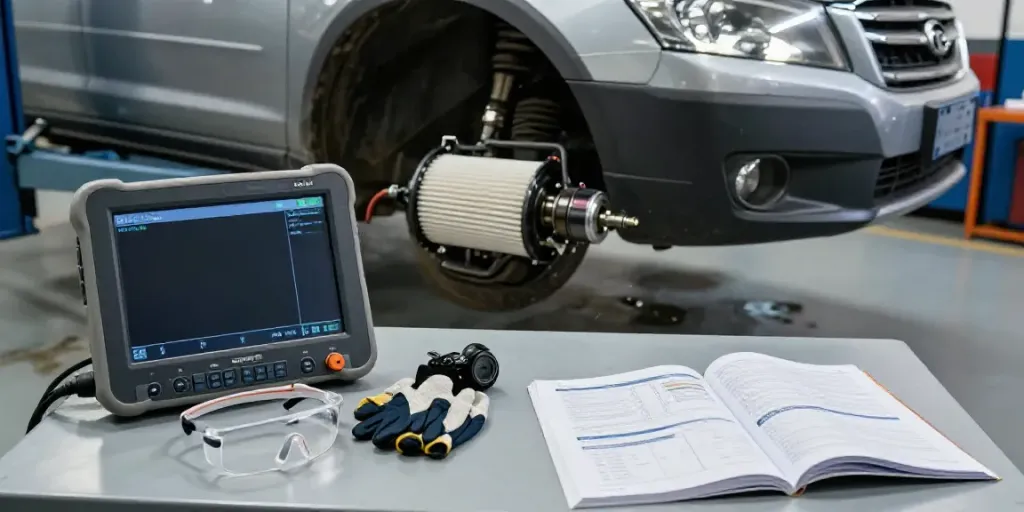
There are three primary types of DPF regeneration: passive, active, and forced. Passive regeneration occurs automatically during normal driving conditions when exhaust temperatures are high enough to burn off soot. Active regeneration, on the other hand, is initiated by the vehicle's engine control unit (ECU) when the filter becomes overly full, raising the exhaust temperature through post-injection of fuel. Forced regeneration is a technician-initiated process typically performed with diagnostic tools when the filter is severely clogged and cannot regenerate on its own.
Importance of DPF Maintenance for Diesel Engines
Regular DPF maintenance is essential not only for compliance with environmental regulations but also for the longevity and efficiency of the diesel engine. Failure to maintain the DPF can result in reduced fuel economy, increased emissions, and potential engine damage. Ensuring that the DPF functions correctly is critical for overall vehicle performance and sustainability.
Common Issues with DPF Regeneration
Symptoms of Clogged DPF Filters
When a DPF is clogged, several symptoms can manifest, indicating that regeneration is needed. Common signs include:
- Illuminated DPF warning light on the dashboard
- Reduced engine power or performance
- Increased fuel consumption
- Unusual exhaust smoke or odors
Recognizing these symptoms early can help prevent more significant issues down the line.
Challenges During the DPF Regeneration Process
Various challenges can arise during DPF regeneration. Insufficient exhaust temperatures, often due to short trips or stop-and-go driving, can prevent passive regeneration from occurring. Additionally, issues with the fuel system, such as injector malfunctions, can hinder the active regeneration process, leading to premature clogging of the filter.
Common Misconceptions About DPF Maintenance
Many people hold misconceptions about DPF maintenance. A frequent myth is that diesel engines do not require regular maintenance. In fact, DPFs demand consistent checks and maintenance to prevent excessive buildup of soot and ash, which can lead to costly repairs if left unaddressed.
Step-by-Step Guide to DPF Regeneration
Preparations Before Starting DPF Regeneration
Before initiating DPF regeneration, it's crucial to perform several preparatory steps:
- Ensure the vehicle has sufficient fuel, as regeneration processes can consume additional fuel.
- Check for any diagnostic trouble codes (DTCs) that may indicate underlying issues.
- Verify the operating temperature of the engine is sufficient for regeneration.
Executing Active and Passive Regeneration
To execute active regeneration, the ECU will increase the exhaust temperature, often by injecting fuel into the exhaust stream. Passive regeneration, on the other hand, occurs when the vehicle is driven at higher speeds, allowing the exhaust temperature to rise naturally and burn off the soot.
Post-Regeneration Checks and Maintenance
After completing the regeneration process, it's essential to conduct a series of checks:
- Inspect the DPF for any signs of damage or excessive wear.
- Clear diagnostic trouble codes and monitor the system for any recurring issues.
- Assess fuel economy and performance to ensure optimal operation.
Advanced DPF Regeneration Techniques for Professionals
Using Diagnostic Tools for Effective Regeneration
Professional-grade diagnostic tools are invaluable for effective DPF regeneration. These tools can provide detailed insights into the filter's status, allowing technicians to determine the best course of action for regeneration.
Environmental Considerations During Regeneration
Regeneration can have environmental impacts, particularly if performed improperly. It's crucial to adhere to guidelines for emissions control during the process to minimize the ecological footprint of diesel engines.
Performance Metrics to Track Post-Regeneration
After regeneration, tracking performance metrics is vital for assessing the effectiveness of the process. Key metrics include:
- Exhaust temperature, which indicates if regeneration was successful
- Engine power and efficiency
- Fuel consumption rates
Future Trends in DPF Technology and Maintenance
Innovations in Diesel Engine Emission Control
As industries continue to push for cleaner emissions, innovations in DPF technology are expected to evolve significantly. This may include more efficient filter designs and real-time monitoring systems that facilitate better maintenance.
Regulatory Changes Affecting DPF Systems
Upcoming regulations aimed at reducing emissions may enforce stricter maintenance and operational standards for DPF systems. Staying informed about these changes will be essential for compliance and sustainability.
Predictions for DPF Maintenance Practices in 2026
By 2026, DPF maintenance practices are likely to be more integrated with advanced diagnostic technology. The use of predictive maintenance, coupled with improved sensor technology, will enable proactive management of DPF longevity and efficiency.
How do I regenerate my DPF?
To regenerate your DPF, you should ensure your vehicle is at operating temperature, then initiate an active or passive regeneration based on your driving conditions and technical capabilities.
Can I drive during DPF regeneration?
Yes, driving during DPF regeneration is typically acceptable, especially if it is a passive regeneration. However, active regeneration may require you to maintain a specific speed for optimal operation.
Can you unblock a DPF yourself?
While some measures can be taken to unblock a DPF, such as performing forced regeneration with diagnostic tools, it is often recommended to seek professional assistance for complex issues.
How long should DPF regen take?
The duration of DPF regeneration depends on the method being used. Active regeneration can take anywhere from 10 to 30 minutes, while passive regeneration occurs naturally during driving.
What tools are best for DPF regeneration?
Essential tools for effective DPF regeneration include diagnostic scanners that can initiate regeneration processes and monitor filter status, as well as cleaning solutions for manual maintenance when necessary.