Understanding Mini Split AC Units
A mini split AC unit has gained popularity as a versatile and efficient cooling solution, especially in regions where traditional ducted systems may not be feasible or necessary. Offering a unique blend of technology and design, these systems are perfect for both residential and commercial applications. This article will delve into the features, advantages, and considerations surrounding mini split AC units, providing insights that can help you make informed decisions when considering this type of air conditioning system. When exploring options, mini split ac unit provides comprehensive insights into the best products available today.
What is a mini split ac unit?
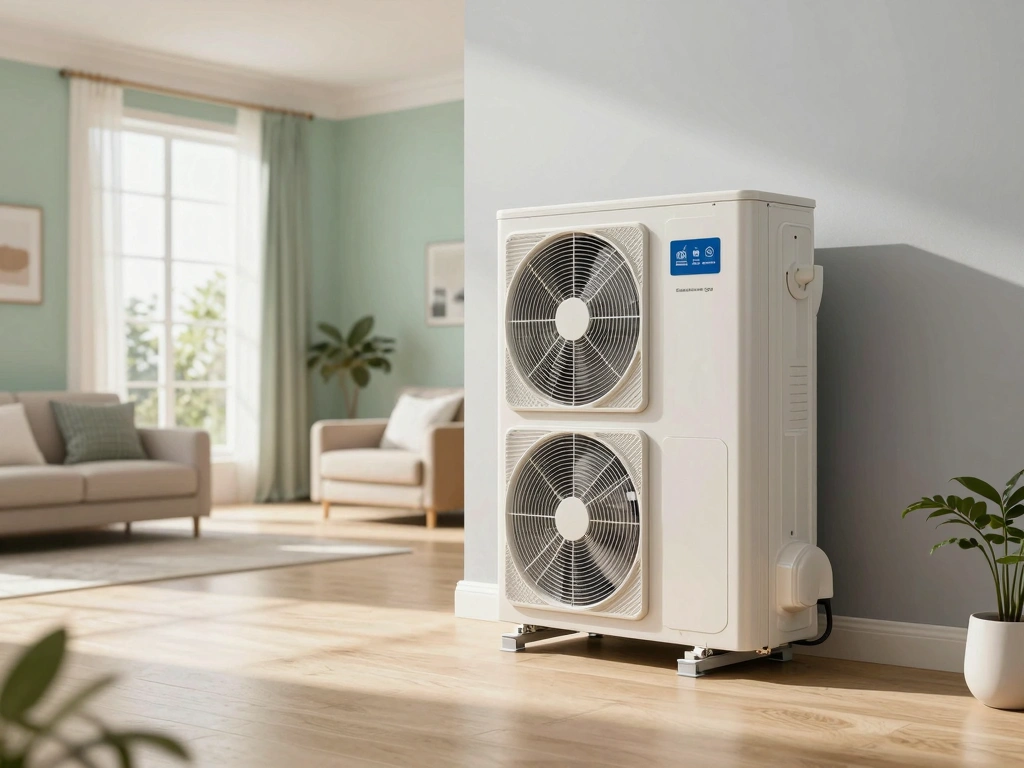
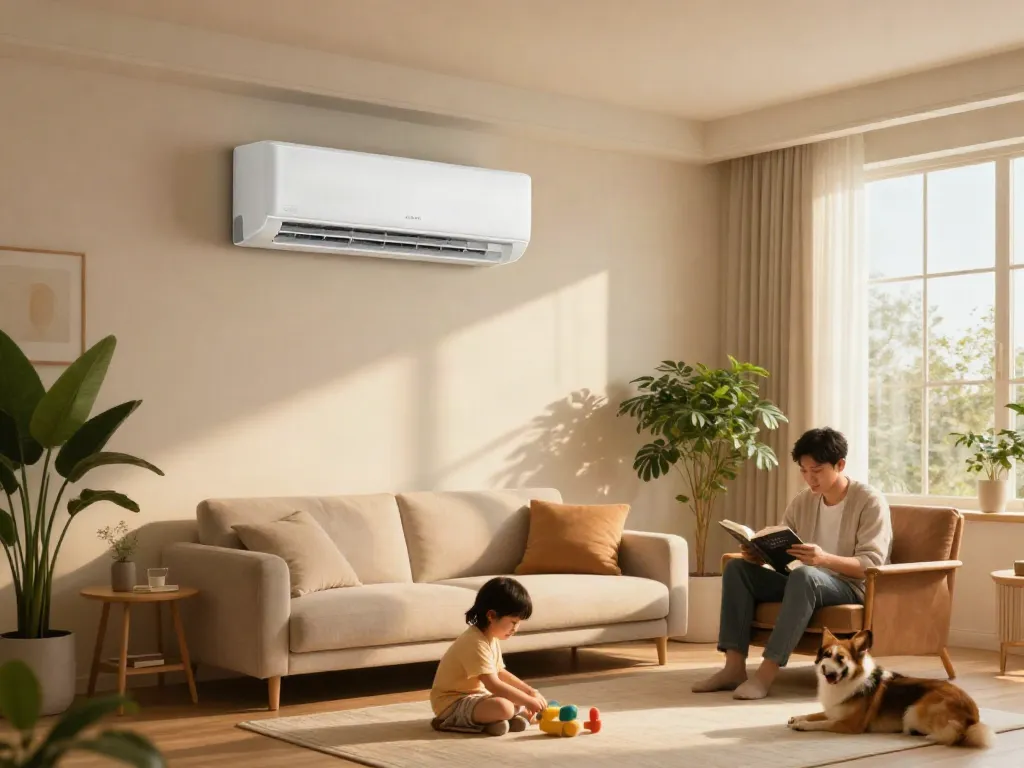
A mini split AC unit, also known as a ductless mini-split system, is a compact heating and cooling solution that consists of two main components: an indoor unit and an outdoor condenser. Unlike traditional air conditioning systems, which rely on ductwork to distribute cool air, mini splits are designed to provide efficient temperature control and zoned heating and cooling without the need for extensive ventilation systems. This makes them ideal for homes and offices where ductwork is either impractical or impossible to install.
How mini split systems work
Mini split systems operate using the refrigeration cycle, similar to conventional air conditioning systems. The indoor unit includes an evaporator coil that absorbs heat from the interior space, while the outdoor unit contains a compressor that expels the heat outside. The two units are connected by refrigerant piping, which allows for the transfer of refrigerant to facilitate cooling. Installation is straightforward, involving only a small hole for the piping. This not only saves space but also reduces the energy loss associated with ductwork.
Benefits of choosing a mini split ac unit
- Energy Efficiency: Mini split AC units are known for their high energy efficiency ratings, often significantly outperforming traditional systems. This can lead to lower utility bills and a reduced environmental footprint.
- Zoned Control: Each indoor unit can be controlled independently, allowing for customized temperature settings in different rooms or zones. This feature enhances comfort and reduces energy waste in unoccupied spaces.
- Quieter Operation: Mini splits operate at a much quieter level than traditional central air systems, making them ideal for bedrooms and other quiet areas of the home.
- Flexible Installation: Their compact size and design provide greater flexibility for installation in various settings, including apartments, historical buildings, and new constructions.
Installation Insights for Mini Split AC Units
Installing a mini split AC unit can be a straightforward process, especially if you hire a qualified professional. However, understanding the key considerations and steps involved can help ensure a successful installation.
Key considerations before installation
Before proceeding with installation, consider the following factors:
- Placement: Determine the optimal location for both the indoor and outdoor units. The indoor unit should be placed in a way that ensures even distribution of air, while the outdoor unit needs sufficient airflow for optimal performance.
- Power Supply: Ensure that the electrical system can support the new unit, as mini splits typically require a dedicated power supply.
- Size and Capacity: Accurate sizing is critical. A unit that is too small will struggle to cool, while one that is too large will cycle on and off frequently, reducing efficiency.
Step-by-step installation process
- Mount the Indoor Unit: Secure the mounting bracket to the wall and attach the indoor unit, ensuring it is level.
- Install the Outdoor Unit: Place the outdoor unit on a solid base, away from direct sunlight and debris.
- Connect the Refrigerant Lines: Carefully route and connect the refrigerant piping from the indoor unit to the outdoor unit.
- Electrical Connections: Connect the power supply to the outdoor unit, ensuring all connections comply with local electrical codes.
- Test the System: Once everything is connected, check for leaks and ensure the system functions properly before securing all covers and mounts.
Cost of mini split ac unit installation
The cost of installing a mini split AC unit can vary widely based on several factors, including the size of the unit, complexity of the installation, and labor costs in your area. On average, installation can range from $2,000 to $5,000, depending on these variables. Additionally, consider ongoing maintenance costs to keep your system running efficiently.
Performance and Efficiency Factors
Understanding the performance and efficiency of mini split AC units is essential for making a sound investment. Factors such as BTUs, energy efficiency ratings, and common issues can impact your overall satisfaction with the system.
BTUs and their impact on cooling
BTU, or British Thermal Unit, measures the cooling capacity of an air conditioning system. Selecting the correct BTU rating is critical; too low of a capacity will result in inadequate cooling, whereas too high can lead to short cycling and energy inefficiency. A general rule of thumb is about 20 BTUs per square foot of living space, but this can vary based on factors such as ceiling height and insulation quality.
Energy efficiency ratings explained
Efficiency ratings, such as SEER (Seasonal Energy Efficiency Ratio) and HSPF (Heating Seasonal Performance Factor), provide insights into how effectively a mini split AC unit uses energy. A higher SEER rating indicates greater efficiency, meaning the system uses less electricity to cool your space. Look for units with a SEER rating of 15 or higher for optimal energy savings.
Common performance issues and how to address them
Despite their advantages, mini split systems can encounter performance issues, such as:
- Inefficient Cooling: Often caused by improper installation, incorrect BTU sizing, or refrigerant leaks. Regular maintenance can help identify and rectify these issues early.
- Unusual Noises: Rattling or buzzing sounds can indicate loose parts or debris in the system that need attention.
- Inconsistent Temperatures: This may be a sign of a malfunctioning thermostat or an incorrectly charged refrigerant system.
Maintenance and Care for Longevity
Proper maintenance is vital for the longevity and efficiency of mini split AC units. By following recommended practices, you can enhance the lifespan of your system.
Regular maintenance tips for mini split ac units
- Clean the Filters: Regularly check and clean the air filters every month; dirty filters can hinder airflow and reduce efficiency.
- Inspect the Coils: Clean the evaporator and condenser coils at least once a year to prevent buildup that can impede performance.
- Check for Leaks: Monitor refrigerant levels and inspect for any signs of leaks that require professional servicing.
Signs your mini split needs servicing
Being proactive in identifying issues can save you time and money. Look out for:
- Unusual noises coming from the units.
- Increased energy bills without changes in usage.
- Inconsistent temperature control in different zones.
DIY troubleshooting techniques
Many minor issues can be resolved without professional help, such as:
- Resetting the system’s circuit breaker if it trips.
- Changing or cleaning the air filters.
- Ensuring that the outdoor unit is free of obstructions and debris.
Future Trends in Mini Split Technology
The landscape of heating and cooling is continually evolving, and mini split units are no exception. Here are some trends to watch for in the coming years.
Innovations in energy efficiency for 2026
As technology advances, new mini split models are expected to feature enhanced energy efficiency, incorporating smart technology and improved materials that minimize energy loss during operation.
Smart home integration possibilities
More systems will likely offer compatibility with smart home platforms, allowing homeowners to control their units remotely, set schedules, or integrate with other devices for maximum convenience and efficiency.
Market predictions for mini split systems
The demand for mini split systems is projected to grow significantly as consumers seek flexible, energy-efficient solutions for their heating and cooling needs. This trend is expected to spur investment in research and development, leading to innovations that enhance the functionality and sustainability of these systems.