Understanding Custom Water Treatment Equipment
In an era where water scarcity and pollution are becoming increasingly critical issues, the demand for effective water treatment solutions is at an all-time high. Custom Water Treatment Equipment plays a pivotal role in addressing these challenges, ensuring that industries and municipalities can provide clean, safe water while complying with environmental regulations. Tailored solutions not only enhance the efficiency of water treatment but also adapt to the unique specifications required by different applications and environments. When exploring options, Custom Water Treatment Equipment offers comprehensive insights into advanced capabilities, ensuring that clients receive the best system suited for their needs.
What is Custom Water Treatment Equipment?
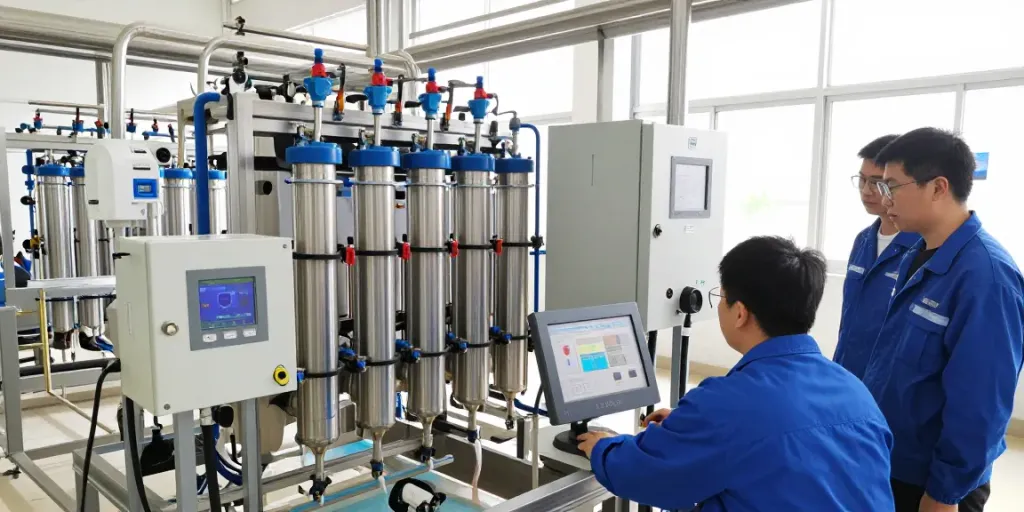
Custom Water Treatment Equipment refers to specialized systems designed to meet specific requirements for water purification and treatment across various industries. Unlike standard solutions, these systems are engineered to accommodate unique water quality challenges, specific contaminant profiles, and operational parameters. This customization often involves selecting the appropriate technology, configuring the treatment process, and integrating additional components such as sensors, automation tools, and monitoring systems.
Key Components of Water Treatment Systems
Understanding the core components of a Custom Water Treatment System is essential for selecting the right solution:
- Filtration Units: These remove particulate matter and contaminants from water. Technologies can include multimedia filters, carbon filters, and reverse osmosis systems.
- Pumping Systems: Essential for transporting water through the treatment process efficiently.
- Chemical Dosing Systems: Used for adding necessary chemicals that aid in water treatment, such as coagulants, flocculants, and disinfectants.
- Control Systems: Automated monitoring and control systems that ensure optimal operation, efficiency, and compliance with safety standards.
- Storage Tanks: For temporary storage of treated and untreated water ensuring a steady flow in processing.
Benefits of Custom Solutions in Water Management
The advantages of investing in custom water treatment solutions are numerous:
- Adaptability: Custom systems can be tailored to fit diverse industrial applications, from chemical to municipal settings.
- Efficiency: Optimized systems lead to reduced operational costs and improved water quality.
- Compliance: Custom solutions help meet specific regulatory requirements more effectively than off-the-shelf options.
- Enhanced Performance: Customized designs can significantly enhance system responsiveness and reliability.
Applications of Custom Water Treatment Equipment
Industries Utilizing Water Treatment Solutions
Custom Water Treatment Equipment finds applications across a broad spectrum of industries, including:
- Chemical Manufacturing: Treatment systems ensure safe disposal and recycling of process water.
- Food and Beverage: Ensuring high standards of water quality for production and cleaning processes.
- Textile Manufacturing: Treating dye and chemical-laden wastewater before discharge.
- Power Generation: Managing cooling water and boiler feedwater treatment.
- Municipal Water Supply: Providing safe drinking water through rigorous treatment processes.
Case Studies on Effective Water Treatment Applications
Several notable case studies highlight the versatility and effectiveness of custom water treatment solutions:
- Textile Industry Case: A textile manufacturer implemented a custom filtration and chemical dosing system that reduced water usage by 30% while improving effluent quality.
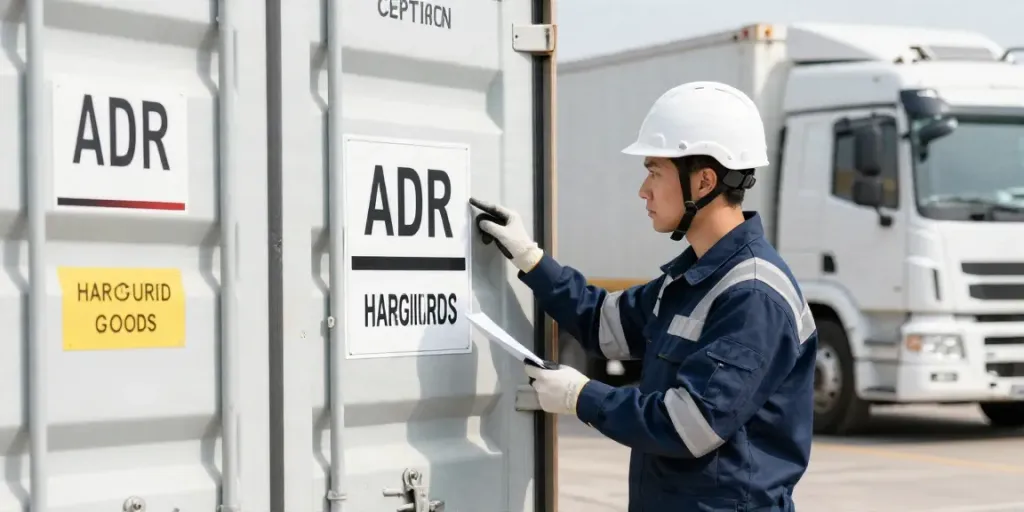
- Chemical Plant Example: A major chemical plant integrated a modular treatment system to handle hazardous waste, ensuring compliance with local regulations and minimizing environmental impact.
Adaptability Across Diverse Environments
Custom water treatment systems are designed to function efficiently in diverse environmental conditions. For instance, mobile containerized water treatment systems allow industries in remote locations to access clean water, while integrated modular systems can easily scale operations based on fluctuating water demands.
Choosing the Right Custom Water Treatment Equipment
Factors Influencing Equipment Selection
Selecting the appropriate custom water treatment system involves considering several critical factors:
- Water Quality: Conducting a thorough analysis of the water source and contaminants present.
- Regulatory Compliance: Understanding local and national regulations that impact water treatment processes.
- Capacity Requirements: Estimating the volume of water needing treatment to ensure system adequacy.
- Budget Constraints: Balancing upfront equipment costs against long-term operational savings.
Best Practices for System Installation
Proper installation of custom water treatment systems is vital for optimal operation:
- Engage experienced professionals who understand both the technology and the specific requirements of your industry.
- Ensure rigorous testing of the system post-installation to validate performance against expected outcomes.
- Implement a comprehensive training program for operators to maximize system efficiency.
Critical Maintenance Tips for Longevity
Regular maintenance is key to extending the lifespan of custom water treatment systems:
- Establish a routine inspection schedule to identify issues before they escalate.
- Keep detailed records of maintenance activities to track performance changes over time.
- Utilize predictive maintenance practices using smart technology to foresee equipment failures.
Integrating Advanced Technologies in Water Treatment
Role of Automation in Water Treatment Efficiency
Automation is transforming water treatment operations, leading to more efficient processes:
- Real-time Monitoring: Automated systems allow for constant tracking of water quality, enabling immediate adjustments when necessary.
- Data Management: Integrating software solutions that analyze data trends can enhance decision-making and operational strategies.
Innovative Sensor Technologies for Monitoring
Innovative sensor technologies are crucial components in modern water treatment systems, providing:
- Real-time Data: Sensors can monitor parameters such as pH levels, turbidity, and chemical concentrations, allowing for immediate corrections.
- Predictive Analytics: By analyzing data, sensors can help predict maintenance needs, thus preventing system downtime.
Future Trends in Water Treatment Technology
The future of water treatment technology is promising, especially with advancements such as:
- Artificial Intelligence: AI algorithms are being developed to optimize treatment processes based on real-time data.
- Green Technologies: Increased focus on sustainable practices is leading to the development of eco-friendly water treatment methods, such as bioremediation.
Frequently Asked Questions
How does custom water treatment equipment improve efficiency?
Custom systems are designed to address specific water quality issues, thereby optimizing performance and reducing waste. They can be adjusted to operate under varying conditions, ensuring maximum efficiency tailored to your needs.
What are the costs associated with custom water treatment systems?
The costs can vary significantly based on design complexity, materials used, and specific technologies employed. While initial investments may be higher, the long-term savings and compliance benefits often outweigh these expenses.
How can I ensure the quality of water treatment equipment?
Quality assurance is vital. Ensure that your equipment is sourced from reputable suppliers who comply with industry standards and regulations. Regular quality assessments and maintenance checks further enhance reliability.
What are common challenges in implementing water treatment technologies?
Common challenges include high initial costs, the need for staff training, and ensuring compatibility with existing systems. Careful planning and consultation with experts can help mitigate these issues.
Are there environmental regulations for water treatment systems?
Yes, environmental regulations vary by region and industry. It is crucial to stay informed about local and national compliance requirements to avoid potential penalties and ensure sustainable operations.