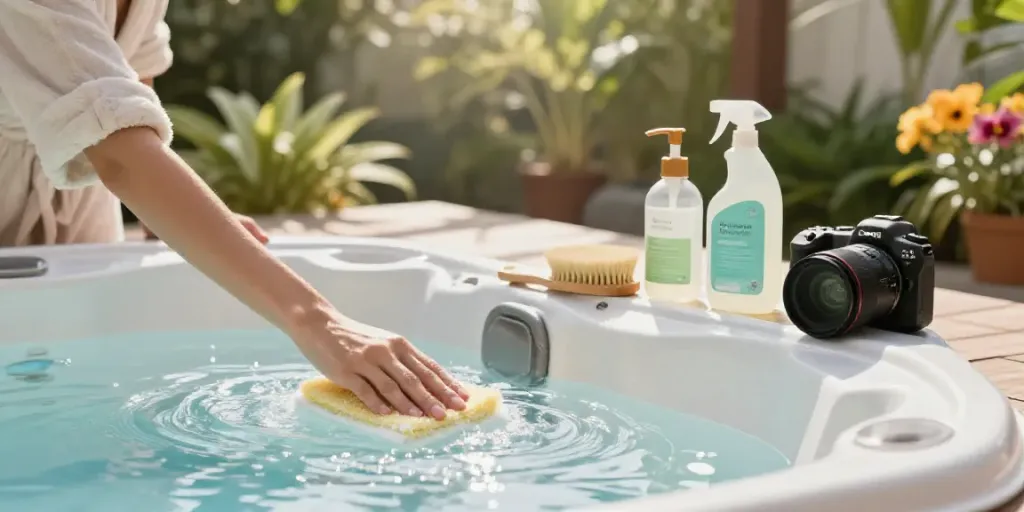
The Essentials of Spa Cleaning & Wash Replacement
Maintaining a clean and well-functioning spa is essential for achieving ultimate relaxation and enjoyment. Regular spa cleaning and wash replacement protect not only the appearance of your spa but also the health of its users. Neglecting this maintenance can lead to buildup of contaminants, reduced water quality, and even costly repairs. In this comprehensive guide, we will explore the importance of regular maintenance, the components of spa systems, tips for avoiding common cleaning mistakes, and much more. When exploring options, Spa Cleaning & Wash Replacement offers valuable insights and services tailored to your needs.
Why Regular Maintenance is Crucial?
Regular maintenance of your spa is paramount for several reasons:
- Health and Safety: A clean spa minimizes the risk of infections and skin irritations caused by bacteria or other contaminants.
- Longevity: Proper care can extend the life of your spa by preventing wear and tear on crucial components.
- Cost-Effectiveness: Routine maintenance is often less expensive than emergency repairs caused by neglect.
- Optimal Performance: Regularly cleaning and replacing parts ensures your spa operates at peak performance, providing a better experience.
Understanding the Components of Spa Systems
To effectively clean and maintain your spa, it's essential to understand its key components:
- Filter System: This component is crucial for removing debris and impurities from the water. Regularly cleaning or replacing filters is vital.
- Heater: This heats the water for your comfort. It should be checked for any scale build-up that can affect efficiency.
- Jets: Jets can become clogged with residue, so cleaning them regularly ensures powerful water circulation.
- Spa Shell: The visible part of the spa, which requires specific cleaning products to avoid damage.
Common Spa Cleaning Mistakes to Avoid
Many spa owners make common mistakes during the cleaning process. Here are some to avoid:
- Using the Wrong Cleaners: Harsh chemicals can damage components. Always choose cleaners that are safe for spa use.
- Ignoring Filters: Filters can easily get clogged. Regular cleaning or replacement is essential for optimal water clarity.
- Neglecting the Spa Cover: A dirty cover can introduce contaminants into the water. Clean it regularly to maintain hygiene.
Eco-Friendly Products for Spa Care
As more consumers become environmentally conscious, many are seeking eco-friendly cleaning solutions for their spas. Not only are these options better for the planet, but they can also be safer for you and your family.
Top Recommended Biodegradable Cleaners
When selecting cleaning products, consider biodegradable options that are tough on grime yet gentle on the environment. Here are a few top recommendations:
- Natural Spa Cleaners: Products made from plant-based ingredients can effectively clean surfaces without harmful chemicals.
- Vinegar Solutions: A simple mixture of vinegar and water can clean glass surfaces and remove soap scum.
- Baking Soda: This versatile product can be used as a gentle abrasive to remove stubborn stains.
How to Choose the Right Supplies for Your Spa
Selecting the appropriate supplies for your spa cleaning can significantly influence the results. Here are some factors to consider:
- Material Compatibility: Ensure that the cleaners you choose are safe for the specific materials of your spa.
- Effectiveness vs. Eco-Friendliness: Balance the need for powerful cleaning with the desire for biodegradable ingredients.
- Ease of Use: Look for products that come with user-friendly instructions for application.
Benefits of Using Natural Cleaning Solutions
Natural cleaning solutions offer several advantages, including:
- Reduced Toxicity: Less harmful chemicals mean a safer environment for both users and aquatic life.
- Improved Air Quality: Natural cleaners produce fewer harmful fumes, contributing to better indoor air quality.
- Environmental Protection: Using biodegradable options helps preserve ecosystems and water supplies.
Step-by-Step Guide to Effective Spa Cleaning
Cleaning your spa effectively involves several steps. The following guide will help you navigate the process.
Preparing Your Spa for Cleaning
Before you begin cleaning, ensure that you have all necessary supplies on hand. Additionally, follow these initial steps:
- Turn off the power supply to avoid any electrical hazards.
- Drain the spa completely, allowing ample time for cleaning surfaces.
- Gather soft sponges, brushes, and your chosen cleaning solutions.
Detailed Process for Cleaning and Replacing Wash
Once you've prepared your spa, follow these detailed steps:
- Clean the Spa Shell: Use a non-abrasive cleaner and a soft cloth to wipe down the interior surfaces. Pay special attention to corners and areas around jets.
- Flush the Plumbing: Use a plumbing line cleaner to flush out any buildup in the system. This is crucial for maintaining water quality.
- Inspect and Clean the Filter: Remove the filter and rinse it under warm water. If necessary, soak it in a filter cleaner to remove stubborn residue.
- Reinstall Components: Once everything is clean, carefully reinstall filters and any other components that were removed.
Finishing Touches for a Sparkling Clean Spa
After cleaning, take a moment to add finishing touches:
- Check Water Chemistry: Test the water for pH and sanitizer levels, adjusting as necessary for safe and comfortable soaking.
- Replace Old Wash: If applicable, replace any wash materials that may have worn out.
- Final Inspection: Look over the spa to ensure everything is in proper working order before refilling it with water.
Indicators That Your Spa Needs Professional Help
While many spa maintenance tasks can be performed by owners, some situations may require professional assistance. Here are indicators to watch for:
Signs of Damage or Wear in Spas
Be vigilant for signs that your spa may need professional intervention, such as:
- Visible Cracks: Cracks in the spa shell can lead to leaks and water damage.
- Strange Noises: Unusual sounds from the motor or jets may indicate mechanical issues.
- Water Quality Issues: Persistent algae growth or cloudy water may signal plumbing problems that need addressing.
When to Call a Spa Cleaning Service
Consider calling a professional if you encounter:
- Repeated issues with water clarity despite regular cleaning.
- Mechanical failures that require expertise beyond basic maintenance.
- Damage that could adversely affect the operation of your spa.
Understanding Cost Factors for Professional Services
When hiring a professional, several factors affect the cost of spa cleaning services, including:
- Service Scope: The complexity of the cleaning required will determine the price.
- Location: Costs may vary by region, with urban areas potentially commanding higher rates.
- Frequency: Regular contracts may result in cost savings compared to one-time services.
Future Trends in Spa Maintenance (2026 and Beyond)
As technology and consumer preferences evolve, the future of spa maintenance is likely to change. Here are some trends to watch for:
Technological Advances in Spa Cleaning Tools
The spa industry is adopting advanced cleaning technologies, including:
- Automated Cleaning Systems: Robotic cleaners that can efficiently scrub surfaces without manual effort.
- Smart Sensors: Sensors that monitor water quality and send alerts for needed maintenance.
Emerging Eco-Friendly Practices in Spa Care
The push for sustainability continues to grow, with more spa owners looking for eco-friendly solutions, such as:
- Green Cleaning Products: The rise of biodegradable and non-toxic cleaning agents.
- Water Conservation Techniques: Innovations aimed at reducing water usage during maintenance.
The Role of Smart Home Technology in Spa Maintenance
Smart home technology is becoming an integral part of spa maintenance, allowing for:
- Remote Monitoring: Owners can check their spa's condition and adjust settings from their smartphones.
- Automated Maintenance Scheduling: Set reminders for routine maintenance tasks and inspections.
How Often Should You Clean Your Spa?
The frequency of spa cleaning depends on usage:
- After Heavy Use: Clean the spa after hosting parties or heavy usage.
- Monthly Maintenance: A thorough cleaning monthly ensures optimal performance.
What Products Are Best for Spa Maintenance?
For effective maintenance, consider the following essentials:
- pH Test Kits: Essential for monitoring chemical levels.
- Sanitizers: Chlorine and bromine ensure safe water.
- Surface Cleaners: Mild, non-abrasive products for the spa shell.
Can You Use Regular Cleaners on Hot Tubs?
Regular household cleaners can sometimes damage spa components. Always opt for products specifically designed for hot tubs unless otherwise specified.
How to Properly Maintain Hot Tub Covers?
Hot tub covers protect against dirt and debris. To maintain them:
- Clean with gentle soap and water regularly.
- Apply protectant to prevent cracking.
What Are the Best Practices for Spa Maintenance?
Best practices for spa maintenance include:. Additionally, Part Replacements & Repair in Sydney provides further details.
- Regularly test chemical levels and adjust as necessary.
- Clean filters monthly and replace as needed.
- Inspect equipment for signs of wear and schedule professional visits as necessary.