Understanding Ceiling Speakers
Ceiling speakers have rapidly gained popularity in modern audio systems, thanks to their space-saving design and ability to deliver immersive sound without cluttering the room with bulky equipment. This guide will provide you with essential insights into ceiling speakers, particularly focusing on smart ceiling speakers, their features, and the key considerations for installation and use. When exploring options, اسپیکر سقفی provides comprehensive insights to help you make an informed decision.
What is a Ceiling Speaker?
A ceiling speaker is a type of speaker that is mounted directly into the ceiling, offering a discreet solution for audio playback. Unlike traditional speakers, which occupy floor or shelf space, ceiling speakers are flush-mounted, allowing them to blend seamlessly into your room's decor. This design is particularly advantageous in homes where aesthetics are important, such as modern and minimalist spaces.
How Ceiling Speakers Work
Ceiling speakers operate similarly to standard speakers but are designed to deliver sound through the ceiling structure. They typically consist of a speaker driver, which converts electrical signals into sound waves, and an enclosure that supports sound dispersion. Depending on the model, ceiling speakers can either be passive (requiring an external amplifier) or active (with built-in amplification). This flexibility allows for various installation scenarios, catering to both simple home setups and complex multi-room audio systems.
Types of Ceiling Speakers Available
There are several types of ceiling speakers on the market, including:
- Passive Ceiling Speakers: Require an external amplifier to function and are typically used in custom audio installations.
- Active Ceiling Speakers: Feature integrated amplifiers, making them easier to install as they don't require additional equipment.
- Bluetooth Ceiling Speakers: Allow for wireless audio streaming, providing convenience and flexibility in audio playback.
- Weather-Resistant Ceiling Speakers: Designed for outdoor use, these speakers can withstand environmental conditions while delivering quality sound.
Choosing the Right Ceiling Speaker for Your Home
Selecting the ideal ceiling speaker involves assessing various factors to ensure it meets your audio needs and space requirements. This section delves into the key considerations to keep in mind when making your choice.
Factors to Consider: Size, Power, and Placement
Choosing the right size ceiling speaker is critical for achieving balanced sound in your space. Larger speakers tend to produce richer bass, while smaller models are more suitable for discreet installations. Additionally, consider the power rating, which is typically measured in watts. A higher wattage means more significant sound output, essential for larger rooms or commercial spaces where sound needs to travel further. Placement is also vital; ideally, speakers should be installed away from walls and close to the center of the room for optimal sound distribution.
Comparing Active vs. Passive Models
Active speakers come with built-in amplification, meaning you can connect them directly to your sound source, such as a TV or wireless streaming device. They are easier to install and require less additional equipment. In contrast, passive speakers need external amplifiers, which can provide greater flexibility in terms of power and sound quality but require more complex installation and additional connections.
Best Brands and Models in 2026
When it comes to the best brands for ceiling speakers, several manufacturers stand out, including:
- Yamaha: Renowned for high-quality audio products, Yamaha offers a range of ceiling speakers suitable for various applications.
- Novox: A popular choice for budget-friendly and reliable ceiling speakers, Novox models are ideal for home installations.
- FG Series: These speakers are well-regarded for their sound quality and durability, making them suitable for both indoor and outdoor environments.
Installation Guide for Ceiling Speakers
Installing ceiling speakers can seem daunting at first, but with the right guidance, it can be a manageable project. The following sections outline the installation process and offer practical tips for ensuring success.
Step-by-Step Installation Process
- Planning the Layout: Determine the optimal locations for your speakers based on the room's layout and your listening preferences.
- Cutting the Holes: Using a template, cut appropriate holes in the ceiling for the speakers, ensuring no electrical wires or plumbing are in the way.
- Wiring: Run speaker cables from your amplifier or audio source to each ceiling speaker location, making sure to leave some slack for connections.
- Installing the Speakers: Connect the speakers to the wiring and secure them into the ceiling. If using passive speakers, ensure they are connected to an external amplifier.
- Testing the System: Once installed, test the speaker system to check for proper sound output and make adjustments as necessary.
Tips for Optimal Speaker Placement
The placement of your ceiling speakers can greatly affect sound quality. It is typically recommended to position speakers at least 4 feet away from walls and at the center of the room for even sound distribution. If installing multiple speakers, they should be spaced evenly to cover the entire area effectively.
Common Installation Mistakes to Avoid
Some common pitfalls during ceiling speaker installations include:
- Installing speakers too close to walls, which can lead to sound distortion.
- Using inadequate power supplies for passive speakers, limiting their performance.
- Neglecting to test the system after installation, potentially missing issues with sound quality.
Enhancing Your Audio Experience
Once your ceiling speakers are installed, consider these options for enhancing your audio experience, including smart technology integration and multi-room capabilities.
Integrating Smart Home Features
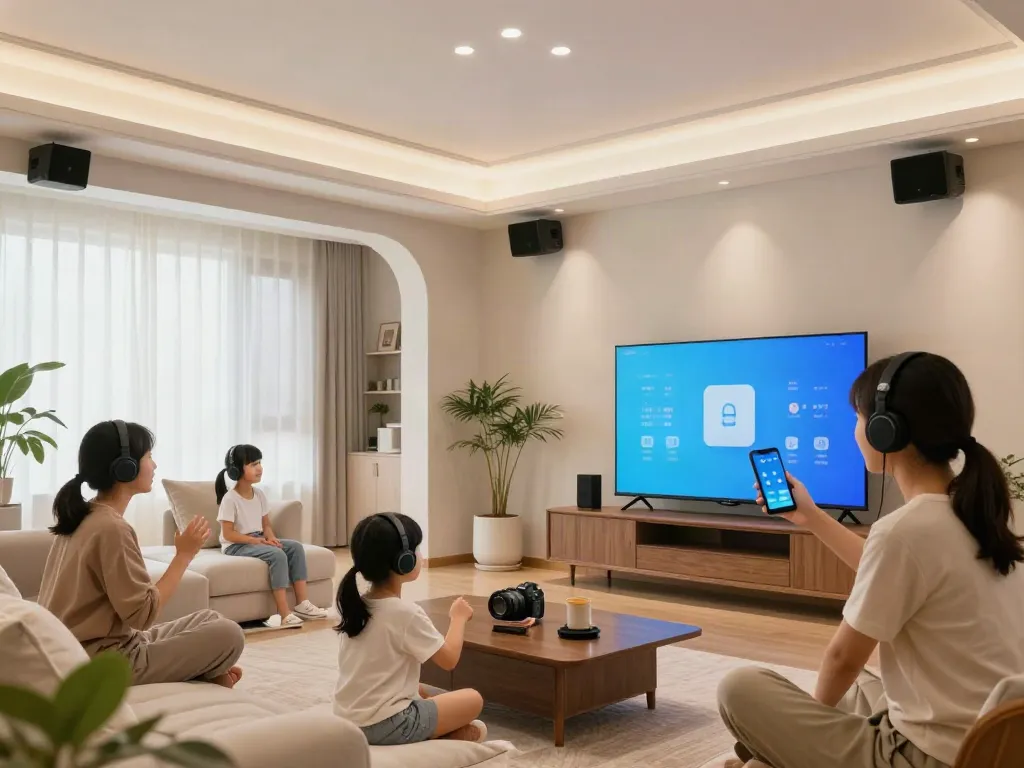
Many modern ceiling speakers come with smart capabilities, allowing seamless integration with home automation systems. These features enable you to control playback via smartphone apps, voice commands, and other smart devices, enhancing convenience and accessibility.
Using Ceiling Speakers for Multi-Room Audio
To create a cohesive audio experience throughout your home, consider installing ceiling speakers in multiple rooms. By setting up a multi-room system, you can play the same music throughout the house or customize audio settings for each room based on usage and sound preferences.
Choosing Between Wired and Wireless Solutions
When deciding between wired and wireless ceiling speakers, consider factors like sound quality, installation complexity, and the overall flexibility of your audio system. Wired solutions typically offer superior sound quality and reliability, while wireless options provide ease of installation and mobility.
Future Trends in Ceiling Speaker Technology
As technology continues to evolve, ceiling speakers are set to undergo significant enhancements to cater to consumers' changing needs. Here are some emerging trends to watch for in 2026 and beyond.
Emerging Technologies in 2026
Future ceiling speakers will likely feature advanced audio technologies, including improved sound processing algorithms, enhanced wireless connectivity, and compatibility with emerging smart home platforms. These advancements aim to provide users with higher sound fidelity and convenience.
Smart Connectivity and Home Automation
The integration of IoT in ceiling speakers will allow smarter features like adaptive sound adjustment based on room acoustics and connected devices. This will enhance the user experience, ensuring optimal performance in various environments.
Consumer Preferences and Market Trends
As consumers become more accustomed to smart products, the demand for ceiling speakers with integrated smart technology is expected to rise. Features offering voice control, app integration, and multi-room capabilities will likely be prioritized by manufacturers in response to consumer feedback.